
The 2026 Workforce Outlook: Labour Trends in a Changing Economy
April 21, 2026
Workforce Outlook and Indigenous Learner Success: CERIC announces two new free webinars
April 28, 2026FREE LIVE WEBINAR
LIVE WEBINAR
Wednesday, June 3, 2026 – 12:00 to 1:00 pm ET
- Language
 This webinar is presented in English
 - Accessibility
 This webinar offers AI-generated live captions available in multiple languages

📢 Important Update: New Registration Process. Learn more.
Overview of the webinar series
Current data reveals a critical gap in how Canadian post-secondary institutions and employment offices serve Indigenous learners. Supported by CERIC, the recent ISET (Indigenous Skills and Employment Training) National Hub report, Enhancing Educational Outcomes, highlights that while 100% of survey respondents view cultural competency as essential, many still face significant hurdles. These include geographic isolation and a lack of “wraparound” supports like housing and childcare.
This free webinar brings together a powerhouse panel of Indigenous Skills and Employment Training (ISET) representatives and the CEO of Polytechnics Canada to bridge this gap. We will move beyond high-level statistics to discuss the practical application of “distinctions-based” support – tailoring services specifically to First Nations, Métis and Inuit identities. By centring Indigenous voices, this session addresses the urgent need for a career development framework that is community-rooted, culturally safe and focused on long-term prosperity rather than just immediate placement.
Why career professionals should attend
For career development professionals, supporting Indigenous learners requires more than a standard toolkit – it requires a fundamental shift toward holistic, person-centred advocacy. This webinar provides direct access to leaders who are successfully navigating these systemic shifts.
Attendees will:
- Gain Cultural Intelligence: Move from awareness to action by understanding why cultural competency is the #1 predictor of service satisfaction for Indigenous clients.
- Acquire Practical Tools: Learn how to implement “wraparound” service models that address the non-academic barriers – such as mental health and family obligations – that often derail career progress.
- Enhance Institutional Accountability: Discover how to use the report’s data to advocate for better funding and more inclusive policies within your own organization.
- Network with Experts: Engage in a live dialogue with ISET leaders and CEO of Polytechnics Canada to solve real-world challenges in real-time.
Webinar: Empowering the Next Generation: Supporting Indigenous Learners
June 3, 2026, from 12:00 pm to 1:00 pm ET (check your time zone)
- Analyze the unique barriers: such as digital equity and geographic location that impact Indigenous learner retention and career transitions
Evaluate the effectiveness of the “wraparound” support model in improving educational and employment outcomes for Indigenous individuals
Distinguish between the cultural priorities and service needs of First Nations, Métis and Inuit learners to provide more nuanced, effective counselling
Implement strength-based approaches that leverage Indigenous learners’ existing community ties and cultural identities as assets in the workforce
Webinars are hosted on Zoom from our new CERIC Learning Hub. Learn about it in our FAQ.
📢 Important Update: New Registration Process
We’re excited to announce that Certificates of Completion are now available not only to participants attending live webinars but also to those who watch the recorded webinars they missed.
How to Register and What to Expect:
- During checkout and payment, you will be prompted to create an account on our CERIC Learning Hub.
- Provide your contact details and set a password to complete registration.
- Already have an account? Simply log in using the email and password you used to create your account.
- After registration, you’ll be directed to the learning items you purchased.
- Here, you can access lesson chapters, Zoom links for sessions and other important information.
- You’ll also receive a Welcome Email with your profile access and details about the learning product you purchased.
- Zoom links for each live webinar are shared in their respective lessons. Simply open the “Session” chapter, then select the lesson titled “Live Session (date of session)” to access the Zoom link.
- Recordings for each session are located in their respective lessons. Open the “Session” chapter and select the lesson titled “Recording (session title)” to access it.
- Recordings are available in your learner profile for one month after the last session of the series. Be sure to watch them within this period.
- Complete all lessons and mark them as finished by clicking the “Complete & Continue” button.
- Your Certificate of Completion will appear in your learner profile, and you will also receive a completion email confirming that you have completed the learning.
- Access your certificate anytime from your learner profile. Copy a link or download a PDF to share on LinkedIn or anywhere you want to showcase your professional achievements.
Meet the presenters

Chelsie Rodriguez is a Senior Program Co–ordinator at the Gabriel Dumont Institute (GDI) in Saskatoon, where she supports Métis training and workforce development initiatives. She holds a bachelor’s degree in Aboriginal Public Administration and has spent the past 10 years with GDI Training & Employment in various management roles. Chelsie brings experience in program planning, co-ordination and delivery, with a strong focus on enhancing employment opportunities and skills development for Métis individuals.

I am, Katherine “Kurugak” Ciboci. I was born and raised in Inuvik, NT. My grandparents are Walter and Maureen Elias, my parents are Victor Ciboci and Sharon Rogers. I have 6 children, 2 boys and 4 girls.
I work for the Inuvialuit Regional Corporation (IRC) as the Acting Director of Education, Training and Capacity. We do a lot of work with Inuvialuit beneficiaries, we build internal and external capacity, work with stakeholders and form partnerships to develop training and employment opportunities, assist with post- secondary education and apprenticeship students and increase Inuvialuktun Education. Some of this work we do in the department is done in collaboration with other IRC departments and local organizations.
I am also appointed to numerous ITK task force groups and Inuit Crown Partnership Committees, and get the opportunity to assist with NWT curriculum renewal.

Sarah Watts-Rynard has served as Chief Executive Officer at Polytechnics Canada since July 2018.
Polytechnics Canada is the voice of leading research-intensive, publicly funded polytechnics and institutes of technology. The organization is involved in federal advocacy related to skills and innovation policy, reflecting the strengths of its member institutions.
Polytechnics collaborate with industry to develop the highly skilled people essential to the Canadian economy. In addition to programs that are career-focused and experiential, polytechnics offer applied research support to industry, using their facilities, equipment and talent to propel business success.
Sarah chairs the CWB Foundation and is Vice-chair of the Canadian Centre for Women in Science, Engineering, Trades and Technology.
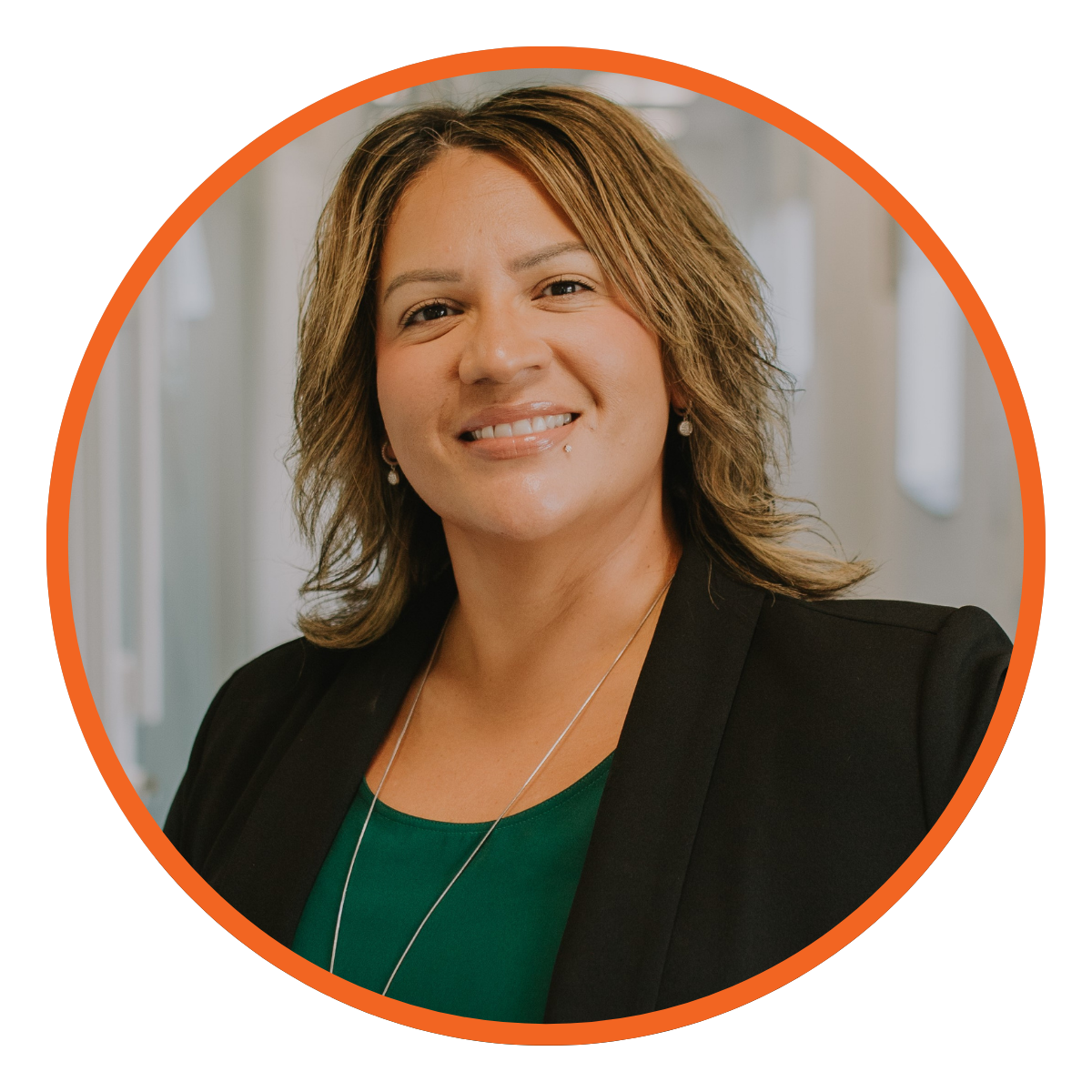
A nêhiyaw (Plains Cree) member of the Ochapowace Nation on Treaty 4 territory, Allison Bear lives in Saskatoon.
As a residential school survivor, Allison brings powerful lived experience and a profound understanding of the systemic, personal and intergenerational barriers that First Nations continue to navigate. This lived knowledge shapes her leadership with authenticity, empathy and a deep commitment to shifting systems from simply addressing barriers to actively creating spaces of belonging.
Supporting a regional co-ordination team as Vice-president of the Saskatchewan Indian Training Assessment Group (SITAG), Allison brings a strong Nation-based, community-centred perspective to her transformational leadership. Grounded in relationship-building, accountability and a long-term vision for generational impact, she provides oversight to a dedicated team supporting 39 sub-agreement holders across Saskatchewan’s First Nation–distinction Indigenous Skills and Employment Training (ISET) network.

Darian Kovacs is the Indigenous founder of Jelly Academy, a leading digital skills training provider. With over 15 years of experience in education and skill training, Darian is a passionate advocate for reducing barriers to entry in the modern workforce. Darian brings a unique perspective on how digital literacy and Indigenous-led training models can intersect to drive national economic success.
Questions?
Reach out to us at learning@ceric.ca or consult our FAQs page.